What happens when AI gets better at hacking than humans?
We may be entering that era right now.
Anthropic has introduced a model called Claude Mythos Preview, and they’ve flagged it as a cybersecurity risk because of how well it can identify software vulnerabilities.
During internal testing, the model reportedly uncovered a flaw in the OpenBSD operating system that had gone unnoticed for over 27 years. It also identified a vulnerability in the FFmpeg codec library that automated security tools failed to catch, even after millions of brute force attempts.
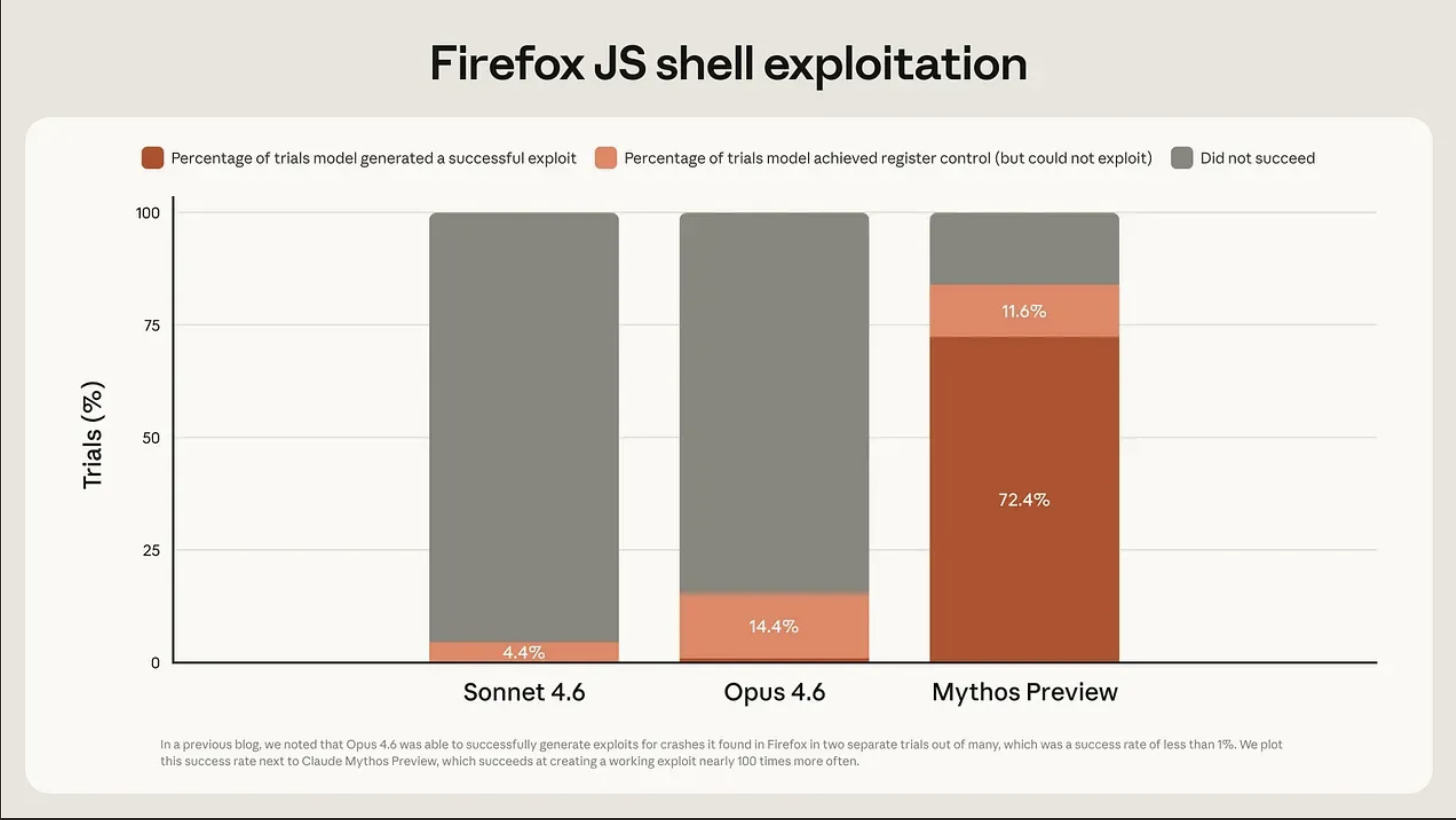
This isn’t just a smarter scanner.
This is a system that can reason through problems like a high-level security researcher, connecting dots, exploring edge cases, and finding things traditional tools miss.
Because of that, Anthropic has restricted access to a small group of partners.
That alone should tell you how serious this is.
Project Glasswing

To manage the risk, Anthropic launched Project Glasswing.
The initiative brings together companies like Amazon, Apple, Broadcom, Cisco, CrowdStrike, the Linux Foundation, Microsoft, and Palo Alto Networks to help secure critical software systems.
Instead of keeping the model locked away, Anthropic is doing something interesting:
They’re putting it in the hands of the organizations responsible for the infrastructure we all rely on.
These partners are using Mythos to proactively identify and fix vulnerabilities before they can be exploited. Access is also being extended to dozens of additional organizations that build and maintain critical software.
Mythos vs Opus 4.6
Anthropic’s Opus 4.6 is already one of the most capable models available today. Mythos isn't just an incremental improvement, it's a huge step forward.
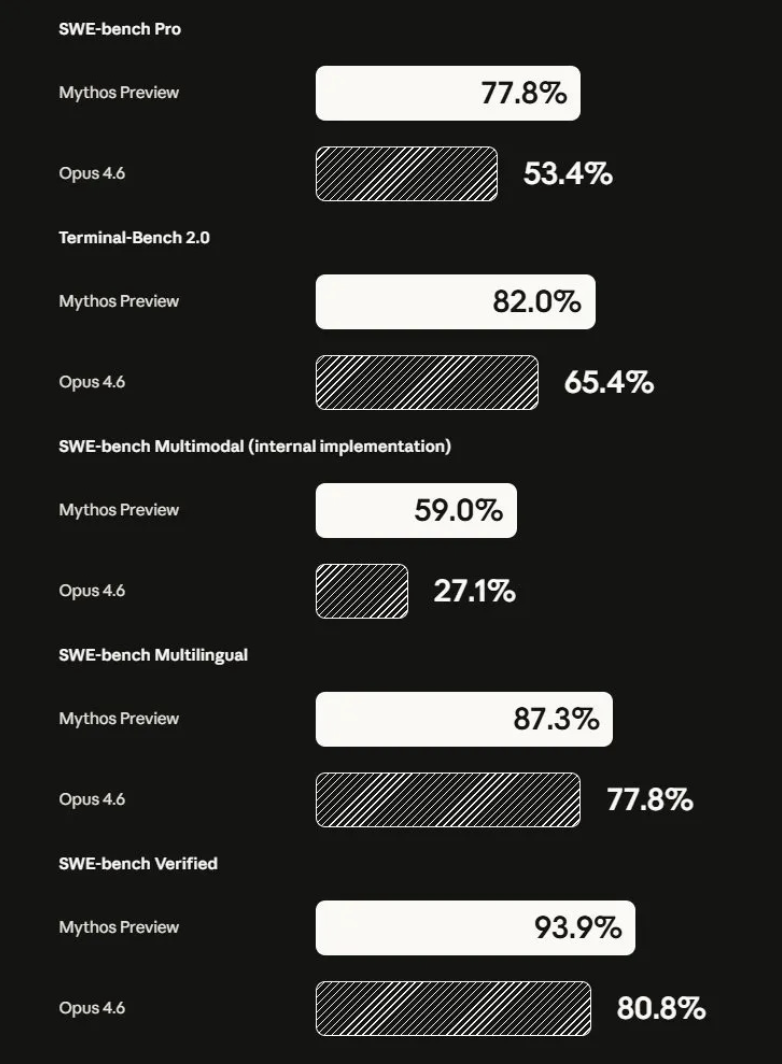
Here’s the simplest way to understand it:
Opus 4.6 → Can find vulnerabilities when asked
Mythos → Actively hunts, reasons through, and exploits them
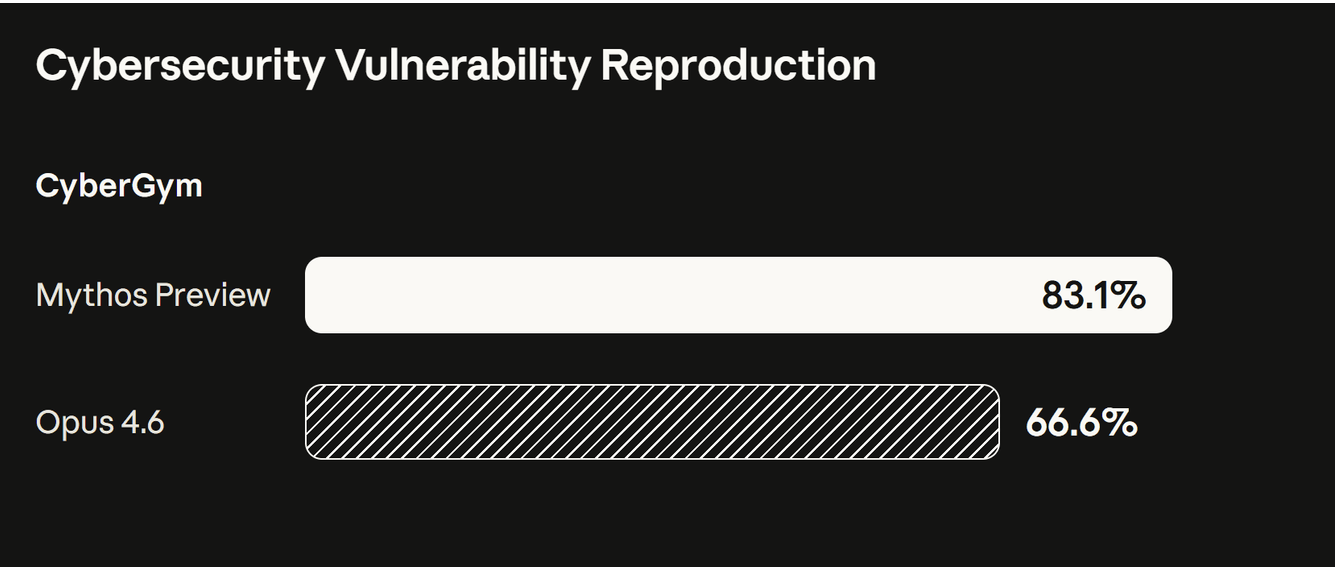
We’re talking about a model that finds bugs missed by traditional tools, understands how those bugs can be exploited and can guide or generate working attack paths.
That’s a different level of capability.
If Opus 4.6 was the moment AI became useful for cybersecurity, Mythos is the moment it becomes dangerous.
This isn’t just another tool
Nation-state cyberattacks are already a reality.
Countries like China and North Korea have highly advanced hacking programs. The United States and Israel reportedly spent over $1 billion developing Stuxnet to disrupt Iran’s nuclear program.
That level of capability has always required elite talent, massive funding, and years of effort.
But what happens when something even remotely close to that capability becomes widely accessible?
If you think this is just another tool like Kali Linux, it’s not.
Kali Linux doesn’t do anything on its own. It’s a toolkit. You still need the expertise.
Mythos is different.
It can reason through the attack for you.
The uncomfortable reality
We’re not just building better tools. We’re building systems that can think, adapt, and execute at a level that used to be reserved for the top 1% of experts in the world. And once something like that exists, it doesn’t stay contained forever. It spreads. It leaks. It gets replicated.
Claude Mythos may be locked behind closed doors today. But history tells us that won’t last.
Open-source models will catch up.
Capabilities will level out.
And elite capability will become ordinary.
When that happens, one of the most dangerous skills in the world won’t be rare anymore.